Technology has transformed the way we learn, but some experiences simply can't be recreated through a textbook or a traditional classroom lesson. Virtual Reality (VR) is changing that.
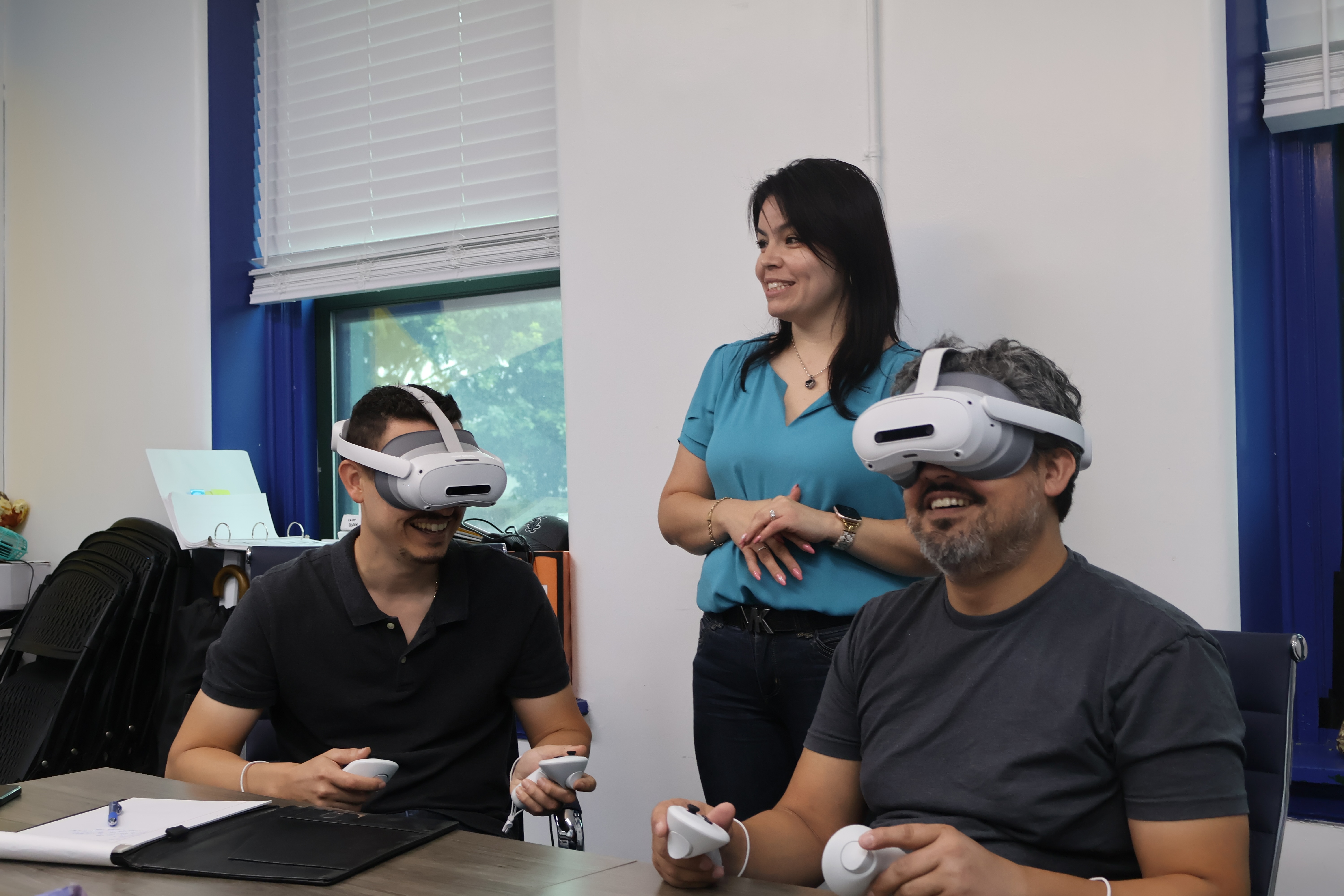
Last month, the Digital Leaders Now (DLN) team visited Gads Hill Center to showcase how immersive technology can be integrated into youth programming, classrooms, and community learning spaces.
Rather than simply demonstrating VR headsets, the conversation focused on something much bigger: how organizations can use immersive experiences to spark curiosity, strengthen engagement, and make learning more meaningful.
Participants from Gads Hill took part, moving through stations that let them explore real workplaces and try hands-on technical simulations alongside one another.
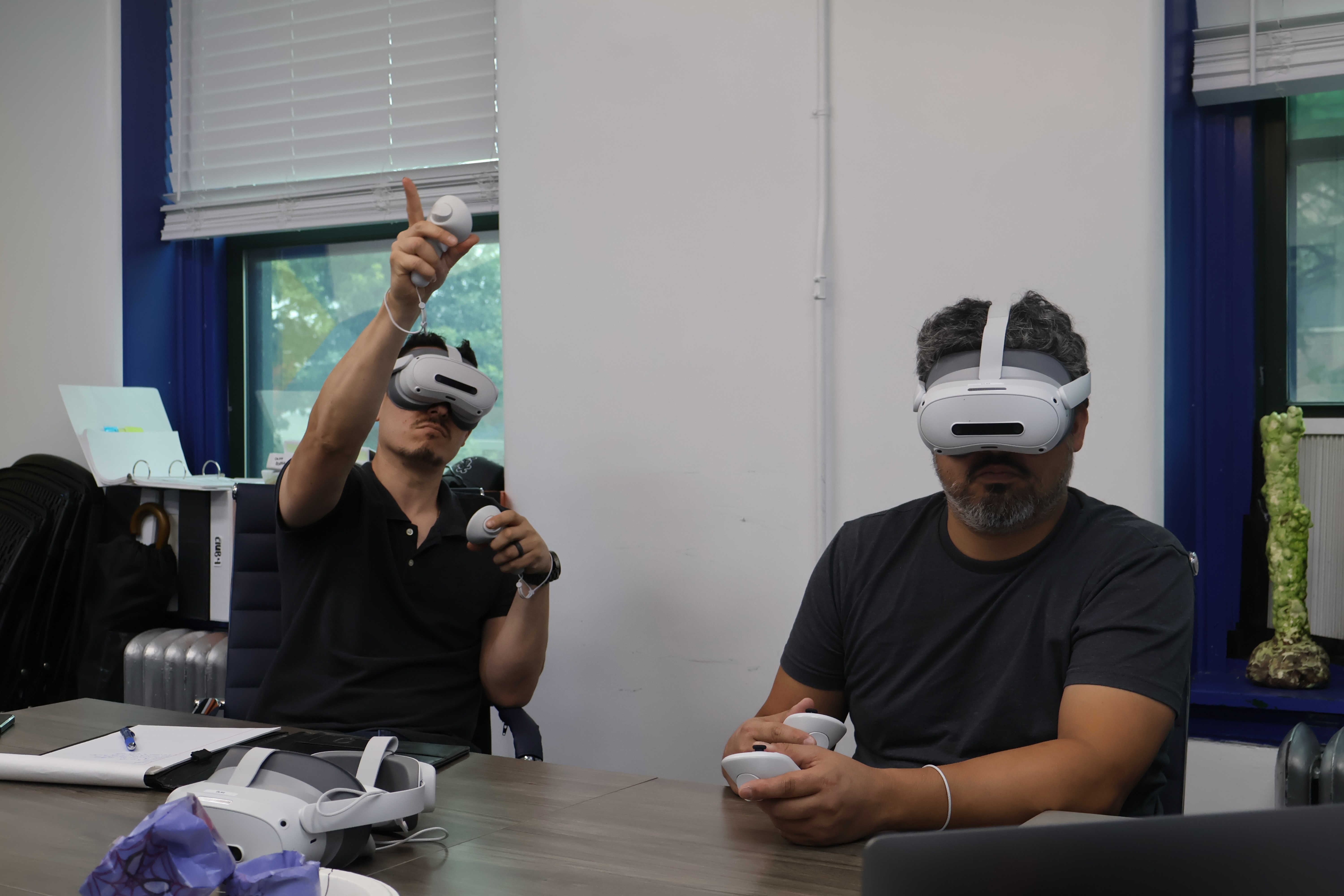
Virtual Reality allows learners to experience concepts rather than simply read or hear about them.
One data point makes this concrete. XReps, an immersive cognitive training platform used in youth programming across Kentucky, has documented a 46.67% increase in post-test cognitive scores among participants in its immersive test groups, gains in spatial awareness, processing speed, and decision-making under pressure. Numbers like that are why VR is moving from novelty to core programming.
Imagine students exploring the surface of Mars, walking through ancient civilizations, or visiting museums across the world, all without leaving their classroom.
These immersive experiences help learners:
As immersive technology becomes more accessible, it is quickly becoming a valuable educational tool rather than a novelty.
Virtual Reality isn't limited to schools.
Community organizations, libraries, after-school programs, workforce initiatives, and youth-serving nonprofits are all discovering new ways to use immersive technology to support learning and engagement.
Whether you’re introducing young students to STEM careers, providing virtual career exploration, supporting history and science lessons, or creating interactive educational experiences, VR offers a flexible way to enhance existing programming without replacing what already works.
The key is thoughtful implementation: selecting experiences that align with learning goals and creating opportunities for discussion before and after each activity.
At Digital Leaders Now, we believe technology has the greatest impact when it is paired with strong community partnerships.
Our work with organizations like Gads Hill Center demonstrates how collaboration can help bring innovative learning experiences directly into communities. Instead of asking organizations to navigate new technology on their own, DLN provides guidance, equipment, facilitation, and support to help make implementation successful.
That collaboration extends to how we measure success. Every session is built around clear outcomes, participation, career awareness, and whether a young person leaves with a concrete next step, not just a memorable hour. The data belongs to the organizations we work with, formatted for the funder and program reporting they already need to do.
Our VR programming can be customized for a variety of audiences and settings, including:
As technology continues to evolve, immersive learning will become an increasingly important part of preparing students and communities for the future.
Virtual Reality is more than an exciting experience; it is a tool that encourages exploration, builds digital confidence, and helps learners see new possibilities for themselves and the world around them.
This isn't just anecdotal. A 2022 meta-analysis published in Educational Research Review, pooling 21 experimental studies of K-6 students, found that virtual reality produces a medium-to-large positive effect on learning outcomes compared to traditional instruction, with immersive VR producing the strongest gains of any format studied. The researchers also found that shorter, focused sessions outperformed longer ones, exactly the kind of hands-on, guided experience DLN builds into every program.
Through partnerships like the one with Gads Hill Center, DLN is committed to helping communities discover how emerging technologies can inspire learning and create new opportunities for engagement.
Interested in offering Virtual Reality experiences for your students, families, or community members?
Digital Leaders Now partners with schools, libraries, nonprofits, municipalities, and community organizations to design engaging VR experiences that complement existing programs and introduce participants to the possibilities of immersive technology.
Whether you're planning a STEM event, family engagement night, classroom enrichment activity, or community learning series, we'd love to explore how VR can support your goals.
Let's build the next generation of immersive learning experiences together.
Contact Sharon Florez at sharon@digitalleadersnow.org to learn more about bringing Virtual Reality programming to your organization.


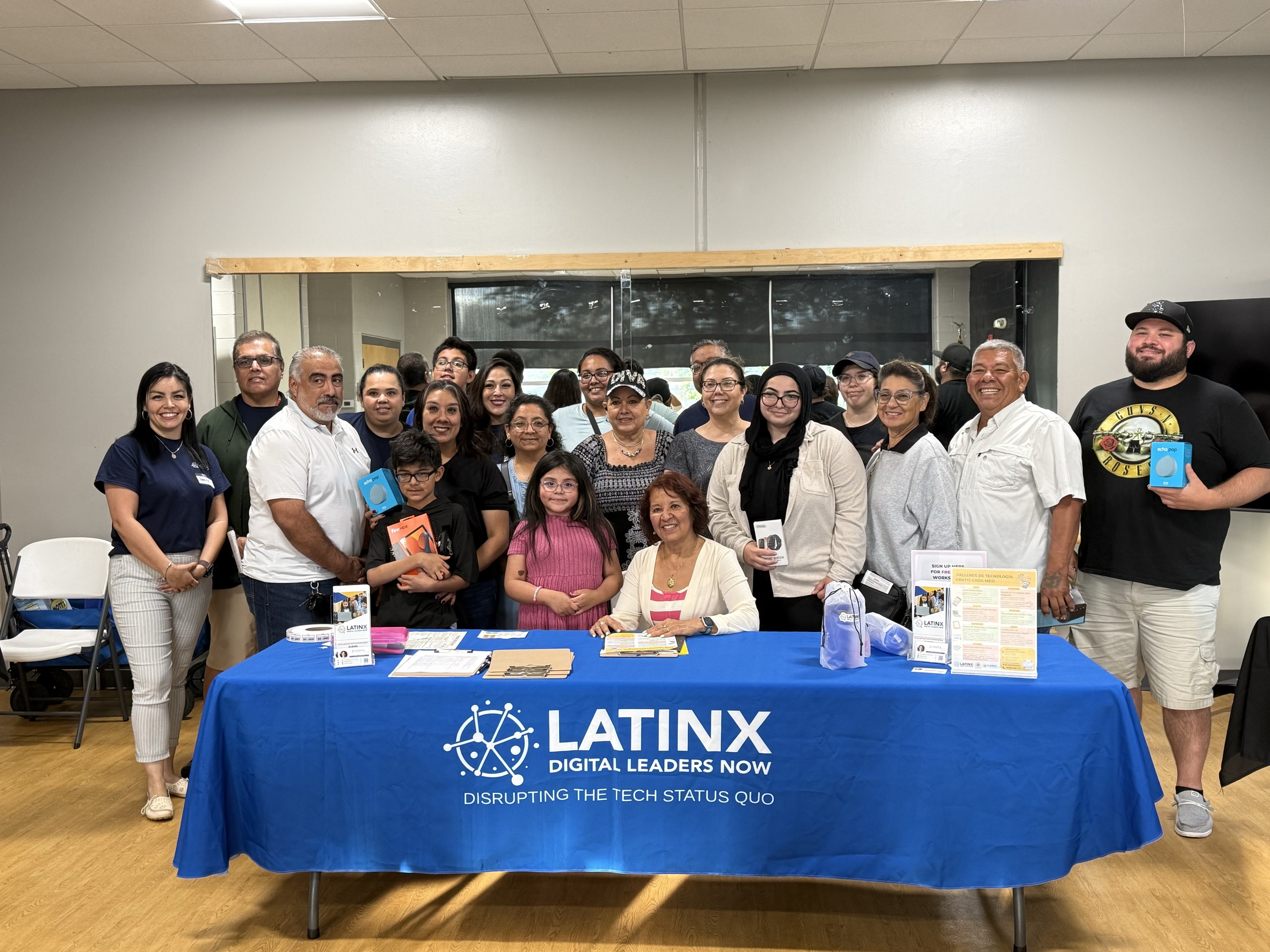
Digital Leaders Now launched its free digital literacy workshop series in Summit, bringing together residents of all ages for an evening of hands-on learning, connection, and community. Explore highlights from the kickoff event and learn how this initiative is helping build digital confidence across Summit.
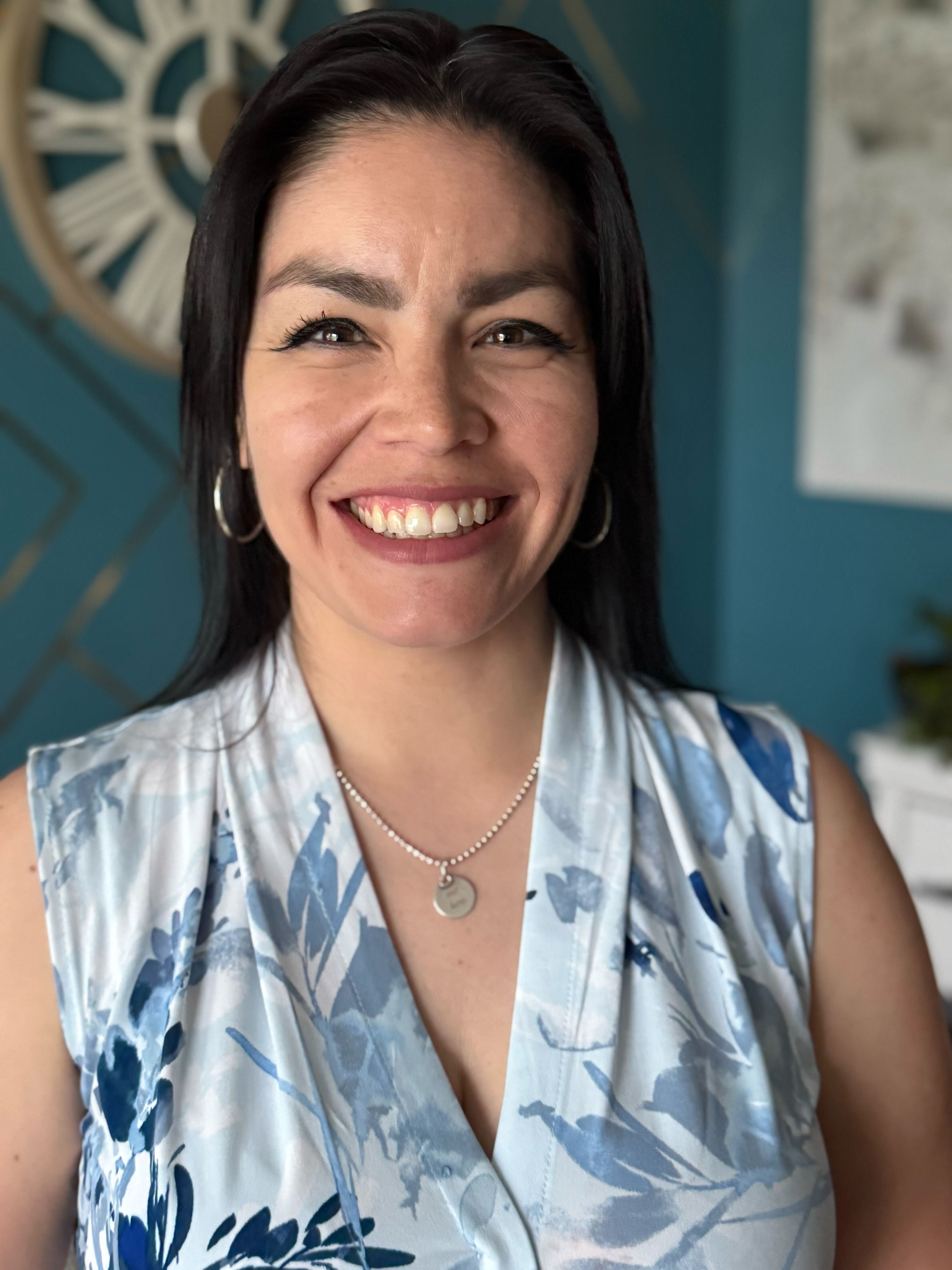
Meet Juanita Zavala, one of DLN's Digital Navigators, whose passion for education and community is helping people of all ages build confidence with technology. Learn how her personal journey inspires her work and why meeting people where they are is at the heart of digital literacy.